
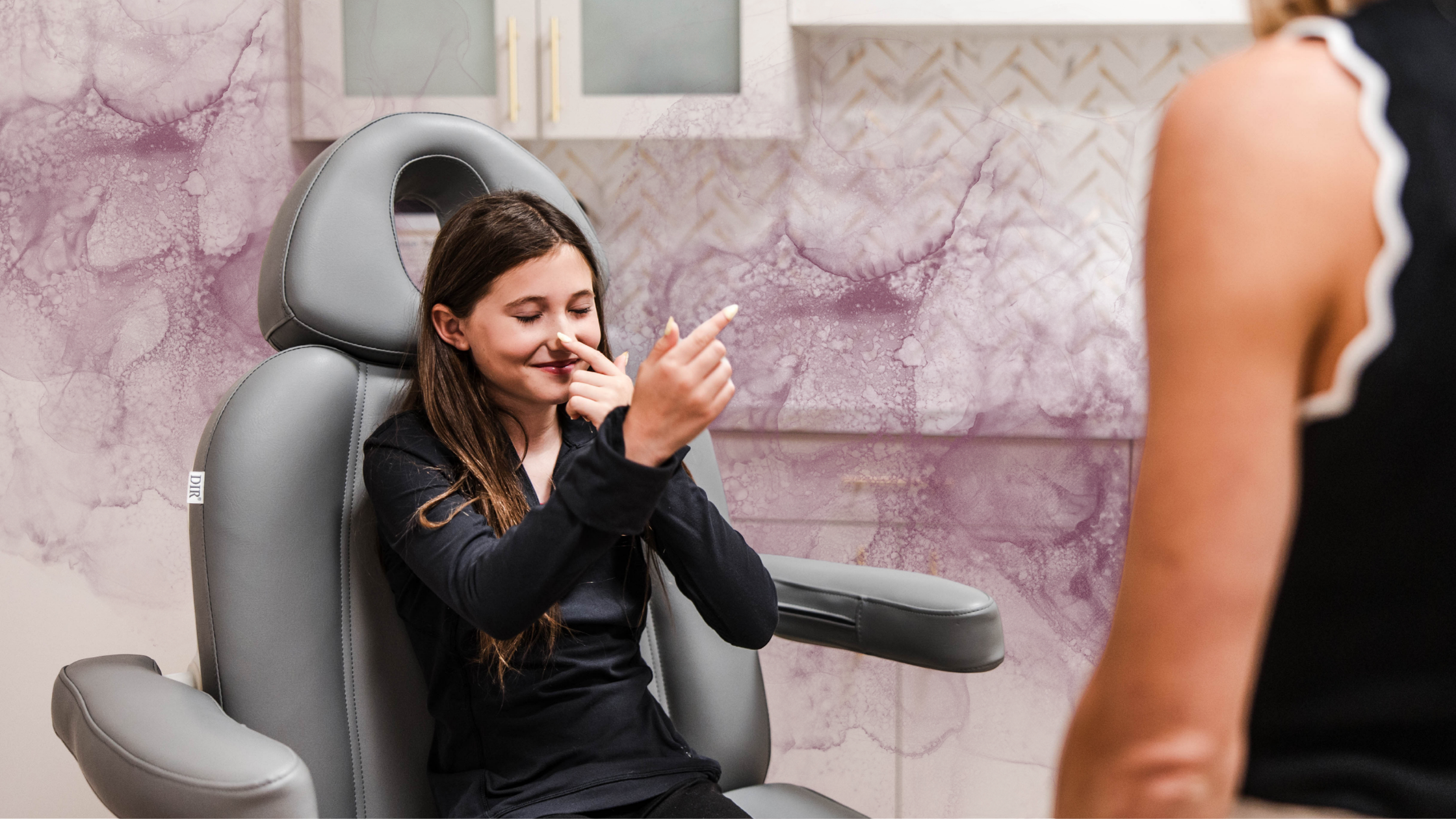
 A coordination check is one simple way providers assess neurological symptoms after a suspected concussion.
What Is a Concussion?
A Concussion Doesn’t Always Involve a Direct Hit to the Head
When most people think of a concussion, they picture a direct hit to the head. While that’s a common cause, it isn’t the only one. A concussion happens when a force — a hit, a fall, or even a hard jolt to the body — causes the brain to move rapidly inside the skull.
That sudden movement can stretch and disrupt brain cells, even without any visible injury. Concussions are a type of traumatic brain injury (TBI), and while most people recover fully, every concussion deserves a proper evaluation.
TABLE OF CONTENTS
- Signs & Symptoms of a Concussion
- Should You Go to the ER or See a Headache Specialist?
- How Long Does Concussion Recovery Take?
- Baseline Testing: Why It Matters for Athletes & Students
- Concussion Testing After an Injury
- What to Do After a Suspected Concussion
- Concussion Treatment: Why Rest Alone Isn’t the Answer
- Why Your Headache History Matters After a Concussion
- When to See a Concussion Specialist
- Concussion Care in Fargo & West Fargo
Signs & Symptoms of a Concussion
Red Flags That Mean It’s More Than a Typical Concussion
After any head injury, it’s important to be evaluated by a trained medical provider to rule out a more serious problem before addressing common concussion symptoms.
Emergency Warning Signs — Seek Immediate Care
Call 911 or go to the nearest emergency room right away if you notice:
-
- Prolonged confusion or loss of consciousness
- More than one episode of vomiting, or repeated vomiting
- Changes in speech or new weakness
- Symptoms that are rapidly worsening
Common Concussion Symptoms
Once emergency signs have been ruled out, other symptoms can be addressed as part of a normal recovery process. According to the CDC’s HEADS UP program, common concussion symptoms include:
-
- Headache or head pressure
- Balance problems or dizziness
- Sleeping too much, or difficulty sleeping
- Mood changes or irritability
- Nausea
- Sensitivity to light and/or sound
- Fatigue
- Difficulty concentrating
Most symptoms improve within one to two weeks of injury. Still, it’s important to be evaluated regardless of how mild symptoms seem, so a recovery plan can be put in place early.
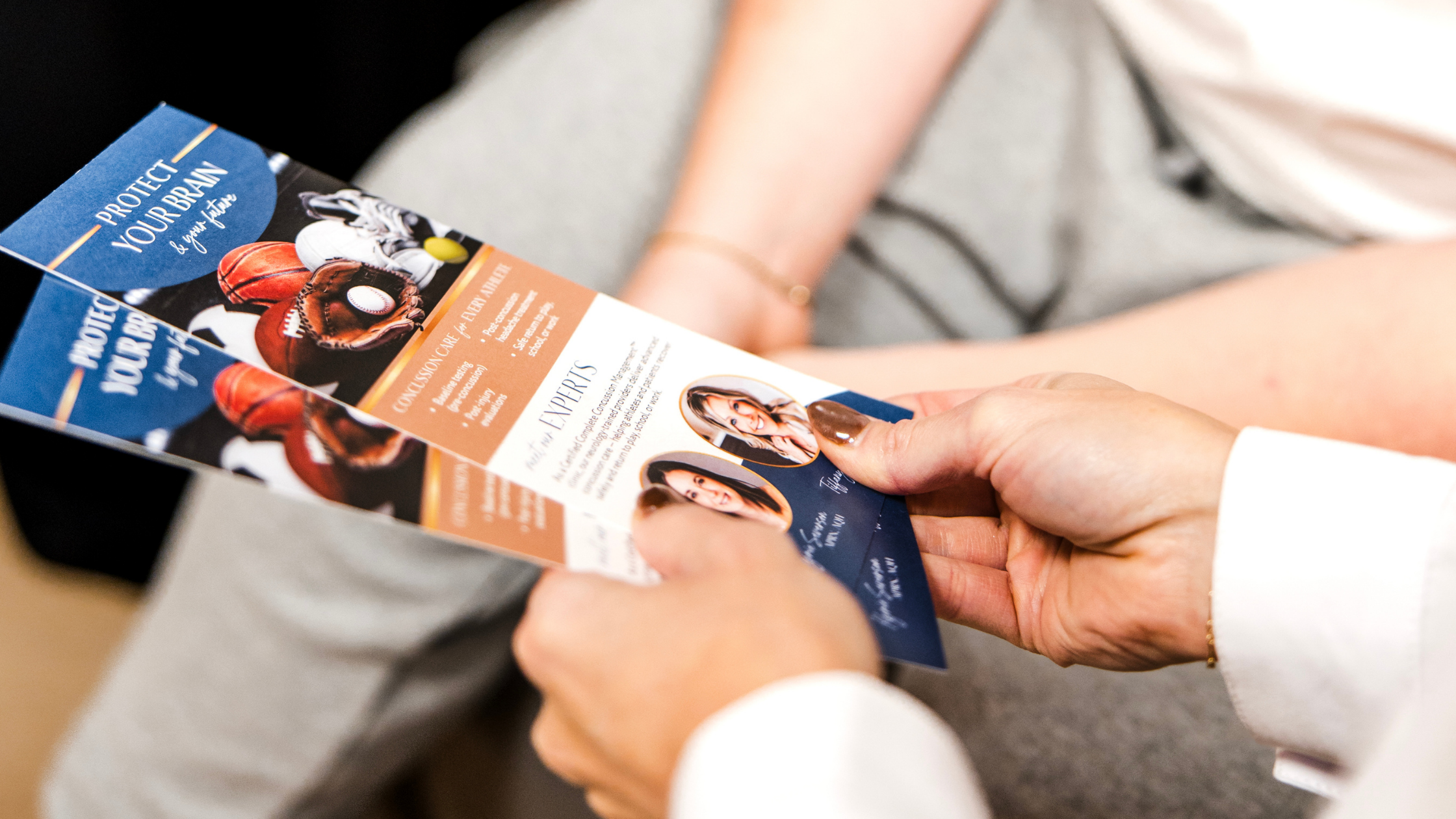 From baseline testing to post-injury evaluation, having a clear plan makes each step after a suspected concussion easier to navigate.
Should You Go to the ER or See a Headache Specialist?
How to Decide Between Emergency Care and a Specialist Visit
One of the most common questions after a head injury is simple: “Where should we go?” The answer depends on the symptoms.
If any emergency warning sign is present — prolonged confusion, loss of consciousness, repeated vomiting, slurred speech, or worsening symptoms — go to the emergency room immediately. This is never a decision to delay.
If there are no emergency warning signs, but you’re looking for a thorough, same-day evaluation, a headache and concussion specialist can often provide faster, more specialized care than a general ER visit — particularly for assessing symptoms, planning next steps, and avoiding an unnecessary ER wait for a non-emergency injury.
One important note: specialty clinics like Transcend Headache Clinic don’t provide emergent or after-hours care, so weekend or evening injuries with any concerning symptoms should still go to an ER or urgent care.
For weekday injuries without emergency warning signs, a same-day specialist visit may be available — check current clinic hours and contact options here to see what fits your situation.
How Long Does Concussion Recovery Take?
What Actually Determines How Fast the Brain Heals
This is a difficult question to answer, since every individual responds differently to a concussion. Typically, patients recover fully within the first 14 days. However, just because symptoms go away doesn’t necessarily mean the brain has fully healed on a metabolic level.
Maintaining a healthy lifestyle can meaningfully support recovery even before a concussion happens
How the body responds to a concussion depends on several factors, including diet, sleep patterns, mental health, and physical activity:
- Anti-inflammatory diet high in protein, healthy fat, and fiber supports recovery — and is worth prioritizing even before an injury occurs
- Consistent sleep schedule with good sleep hygiene helps the brain reset each day
- Routine exercise is recommended for most individuals, and continued (adjusted) activity after a concussion has been shown to support recovery
- Underlying anxiety or depression can add another layer to post-concussion care, since concussion-related stress can worsen those symptoms
Maintaining a healthy lifestyle can meaningfully support recovery even before a concussion happens.
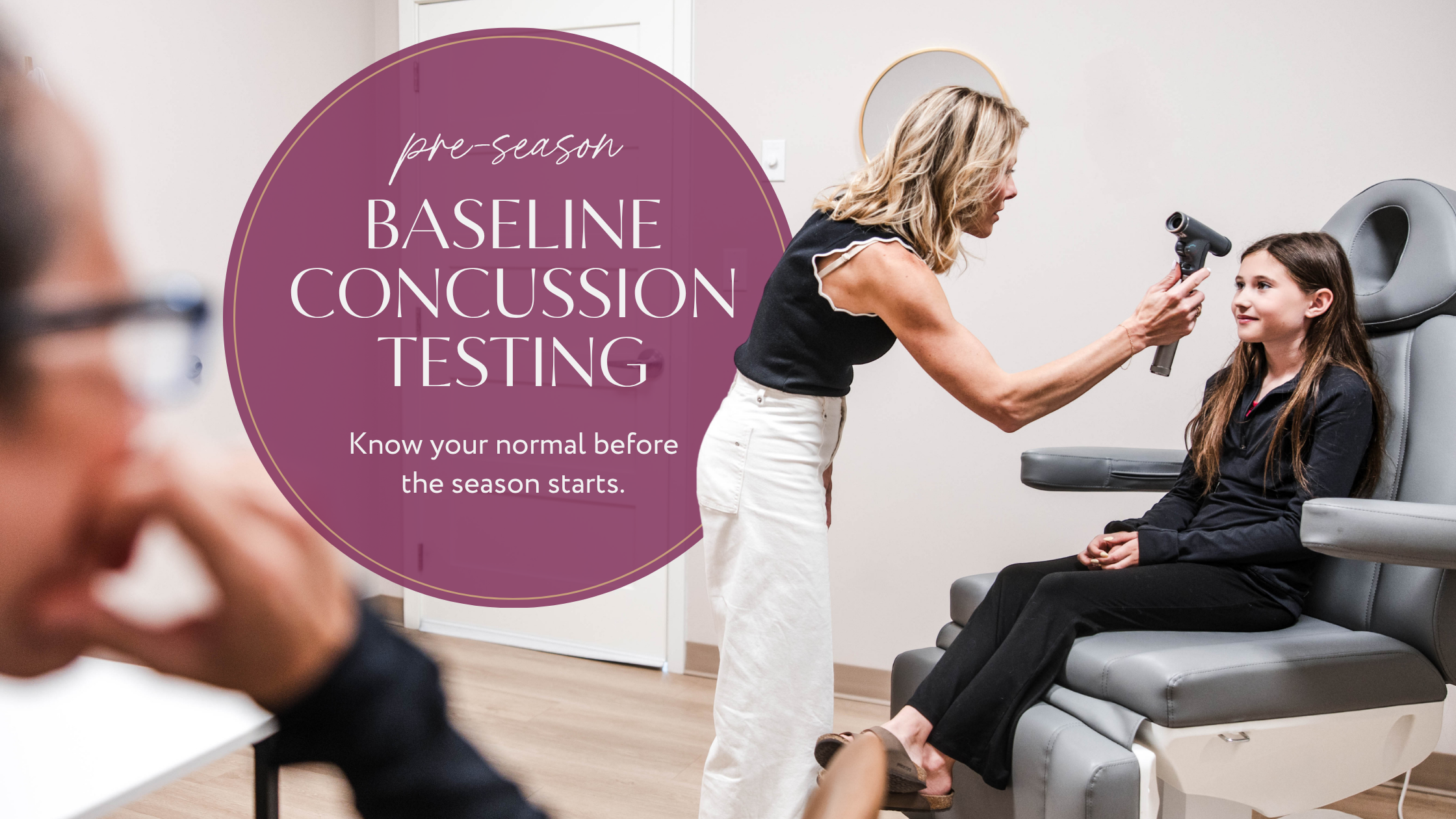 Know your normal before the season starts — baseline testing gives providers a benchmark to compare against if a concussion happens later.
Baseline Testing: Why It Matters for Athletes & Students
Pre-Injury Benchmark Makes Recovery Easier to Track
If you’re an athlete or student, undergoing baseline testing before the season starts is one of the most valuable steps you can take. Baseline testing measures things like memory, reaction time, balance, and cognitive function before any injury occurs — creating a personal benchmark.
If a concussion happens later, providers can compare post-injury results to that baseline, rather than relying on generic norms. This makes it far easier to determine how the brain has recovered and when it’s genuinely safe to return to full-contact sports, school, or work— not just when symptoms have quieted down.
Why App-Based Testing Alone Isn’t Enough
Many schools and sports programs rely on app-based baseline testing alone, since it’s quick and easy to administer to a large number of athletes at once. But an app can only capture so much.
Combining app-based testing with an in-person evaluation — which can assess things like balance, eye movement, and neurological function more thoroughly than an app can — gives providers a far more complete and reliable benchmark to compare against later. If your athlete’s school only offers app-based testing, an additional in-person baseline at a specialty clinic can fill in that gap before the season starts.
For families gearing up for fall sports, late summer is the ideal window to schedule baseline testing before practices begin. For winter sports, early fall (or one to three months before the season starts) is the best time. A similar timeline applies for spring or summer sports.
Concussion Testing After an Injury
Post-Injury Evaluation Looks Different Than Baseline Testing
Baseline testing happens before an injury; concussion testing happens after one. Once a concussion is suspected, a provider will evaluate symptoms, cognitive function, balance, and — if baseline data exists — compare current results against that pre-injury benchmark.
This post-injury testing plays a central role in building a personalized recovery and return-to-play plan, rather than relying on a one-size-fits-all timeline. It’s also how providers determine whether ongoing symptoms need further evaluation or specialized headache and migraine treatment.
What to Do After a Suspected Concussion
Simple Framework for the First 24–48 Hours
If a concussion is suspected, here’s a general framework to follow:
- Check for emergency warning signs first. If any are present, seek emergency care immediately.
- Stop the activity. Don’t return to play, practice, or strenuous activity the same day.
- Get evaluated by a medical provider within the first day or two, even if symptoms seem mild.
- Begin symptom-limited rest for the first 24–48 hours — not complete isolation, just reduced activity.
- Follow a gradual return-to-activity plan guided by a provider experienced in concussion management, rather than waiting for symptoms to disappear completely on their own.
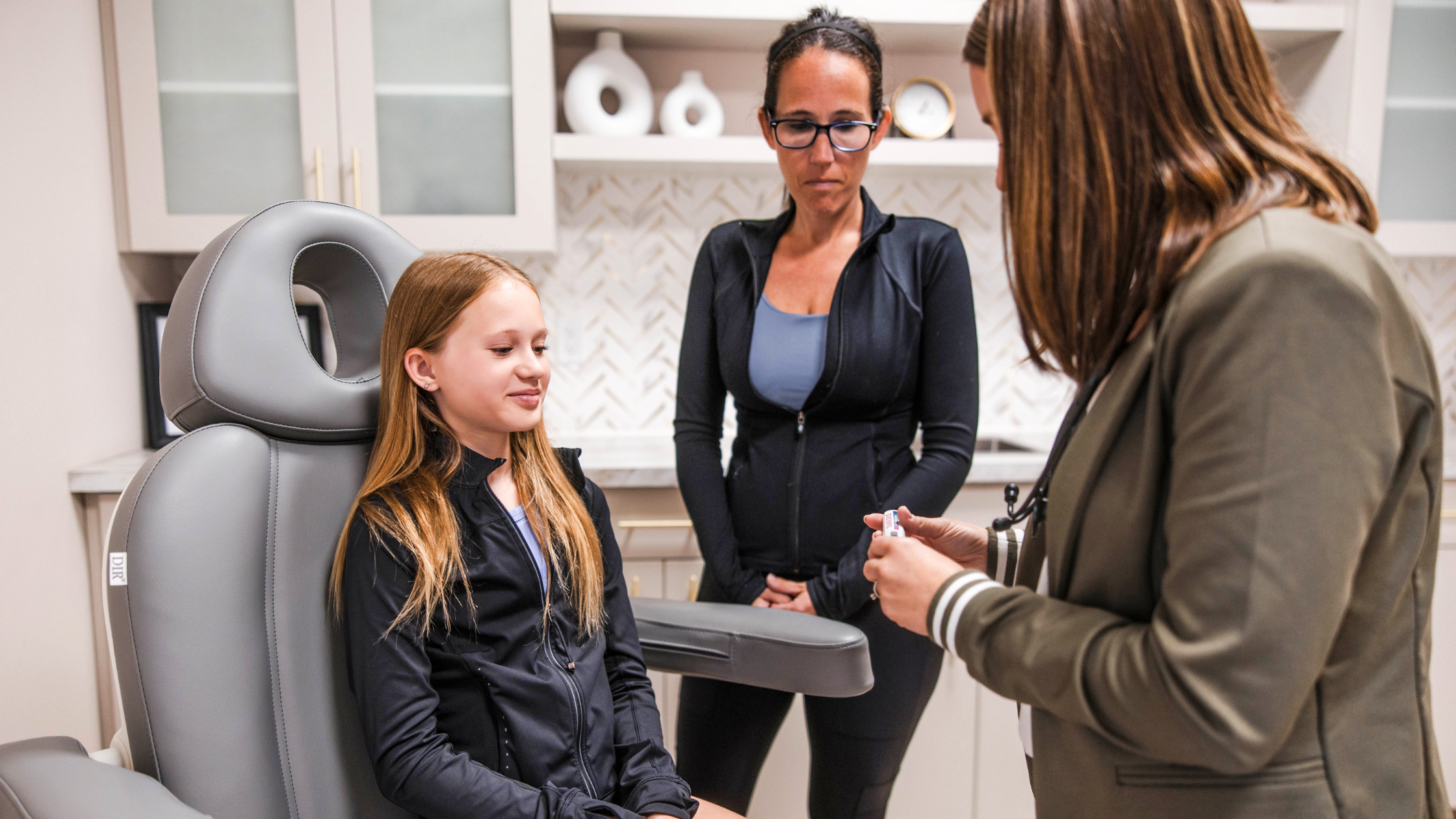 Post-injury concussion testing compares current results against a patient’s baseline to help guide a personalized recovery plan.
Concussion Treatment: Why Rest Alone Isn’t the Answer
Why Prolonged Rest Can Delay Recovery
It used to be standard advice to rest completely after a concussion — no activities, no screens, no school. Research has since shown that prolonged, complete rest can actually delay recovery rather than support it.
The better approach is to back off activities, not eliminate them entirely. Most patients can still do much of what they were doing before the injury, just less of it. Watching TV, taking a nap, attending school, and doing light chores are generally fine — though you may need to limit screen time to short intervals, or tolerate only half a day of school at first, taking breaks as needed to let the brain rest.
The general recommendation is symptom-limited rest for the first 24–48 hours, followed by a gradual return to activity. Research increasingly shows that the sooner patients safely return to activity, the faster their recovery tends to be. Because there’s a delicate balance between increasing activity and provoking symptoms, it’s important to work with a provider who is specifically skilled in concussion management.
Why Your Headache History Matters After a Concussion
What Research Shows About Migraine History and Concussion Recovery
This is a piece of the concussion conversation that often gets left out: a personal or family history of migraine or chronic headaches can meaningfully affect how a concussion recovery unfolds. Patients with a migraine history sometimes experience longer, more persistent post-concussion headaches than patients without one.
This is exactly why a specialized headache clinic can offer something a general sports medicine or primary care visit may not — providers who understand the overlap between migraine physiology and post-concussion headache, and who can build a treatment plan around that connection rather than treating the headache as a standalone symptom.
If headaches persist well beyond the typical one-to-two week recovery window, that overlap may be part of the reason — and it’s worth bringing up directly with your provider.
 Tiffany Eslinger, APRN, AQH, and Kyrie Severson, APRN, AQH, bring neurology-trained expertise to every concussion and headache evaluation.
When to See a Concussion Specialist
What Specialized Concussion Care Looks Like
Most concussions resolve within a couple of weeks with appropriate care. But if symptoms persist, worsen, or significantly interfere with school, work, or daily life, it’s time for a more thorough evaluation.
A concussion specialist can help with:
- Distinguishing typical recovery from post-concussion syndrome
- Building a personalized, symptom-guided return-to-activity plan
- Addressing lingering headaches, especially in patients with a migraine history
- Coordinating baseline and post-injury testing for athletes and students
Concussion Care in Fargo & West Fargo, ND
Specialized Concussion & Headache Care Close to Home
If you’re looking for concussion care in Fargo, West Fargo, or the surrounding area, Transcend Headache Clinic offers personalized, evidence-based care for concussions and the headaches that can follow them.
As North Dakota’s first independent headache specialty clinic, our team understands the connection between head injuries and headache and migraine disorders — a link that’s often missed in general concussion care.
Whether you need baseline testing before the season starts, an evaluation after a suspected concussion, or ongoing support for post-concussion headaches, our team is here to help you or your athlete recover safely and fully.
Ready to schedule baseline testing or a concussion evaluation? Book your consultation online or call us at 701.809.7650 to get started.

Transcend Headache Clinic believes no one should have to live with chronic pain or uncertainty. Founded by neurology-trained nurse practitioners Kyrie Severson, APRN, AQH, and Tiffany Eslinger, APRN, AQH, our West Fargo team pairs advanced expertise with a deeply personal approach to help patients overcome headaches and migraines — and get back to life.